Skin conditions
Eczema and Dermatitis Assessment
Eczema, also called dermatitis, describes inflamed, itchy and often dry skin. It can be lifelong and relapsing, or it can appear for the first time in adulthood in response to something specific.
Assessment aims to identify the type and likely drivers, restore the skin barrier, control inflammation during flares and reduce how often flares happen.
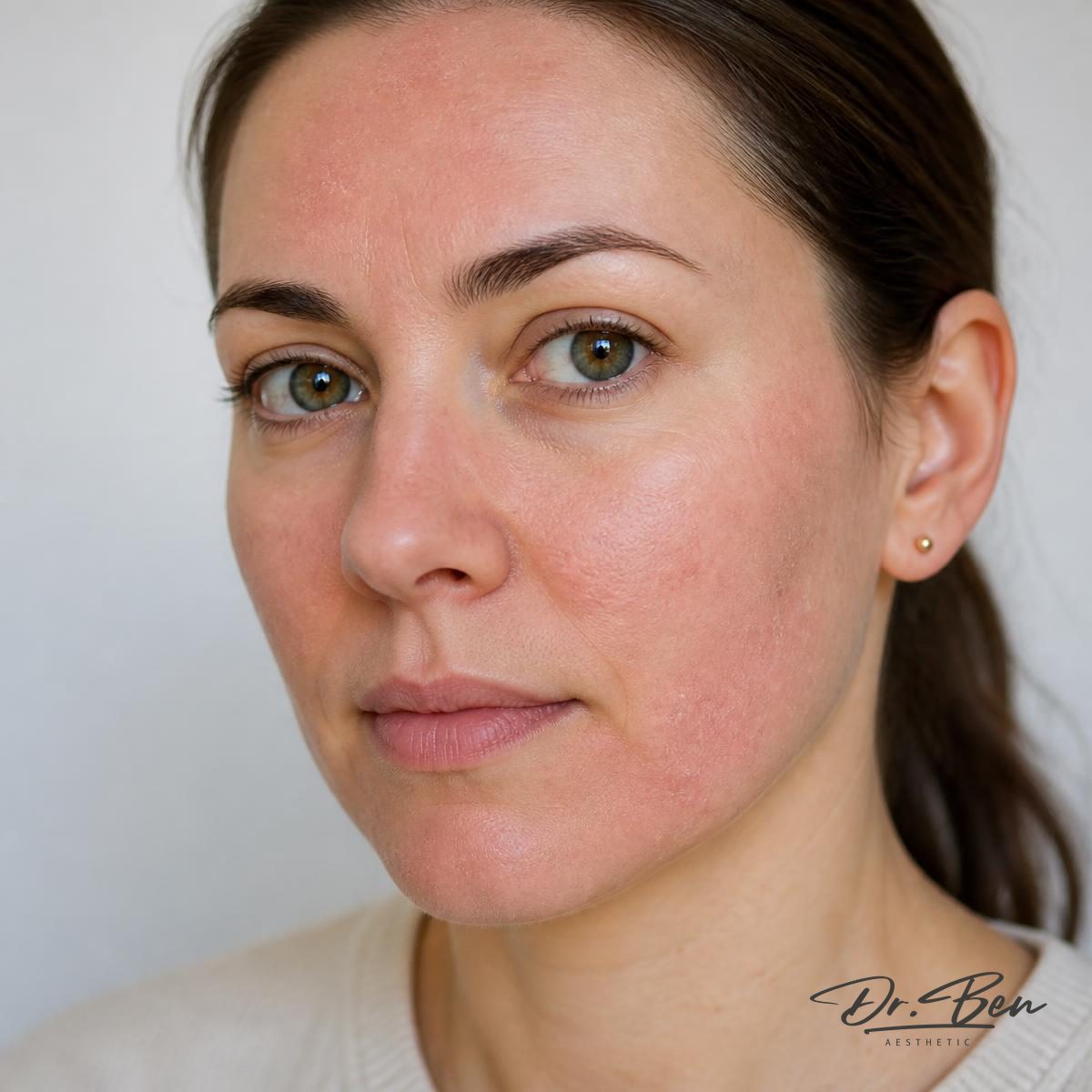
Itch, dryness and inflamed skin
Itch is usually the dominant symptom and is often worse at night. Skin may be dry, rough, red or darker than surrounding skin, and can weep or crust during a flare. Long-standing scratching thickens the skin, which makes it itch more — the itch-scratch cycle that keeps eczema going.
Triggers and contributing factors
- Soaps, detergents, sanitisers and frequent wet work
- Heat, sweat, low humidity and rapid temperature change
- Wool and other irritating fabrics
- Fragranced products, including some marketed as natural
- Stress and poor sleep, which lower the itch threshold
- Occupational and hobby exposures, including gloves and cleaning chemicals
- Contact allergy in some cases, which can develop after years of using a product without trouble
Conditions that can be mistaken for eczema
Psoriasis, fungal infection, scabies, contact allergy and, uncommonly, other conditions can look like eczema. Distribution, timing and response to previous treatment usually help distinguish them; treating persistently without reassessing the diagnosis is a common reason for a poor result.
What happens during the consultation
The consultation covers where the eczema appears, how long flares last, what you have used and how it was applied, and how much the itch is affecting sleep and daily life. Personal or family history of asthma, hay fever or allergies is relevant. Examination looks at pattern and distribution, signs of infection and evidence of chronic scratching.
Signs of skin infection
Arrange prompt medical review if eczema becomes increasingly painful, develops golden crusting, pus, spreading redness or rapidly worsening blisters, or if you develop a fever or feel unwell. Widespread painful blistering on eczema needs urgent same-day assessment.
Barrier care and management planning
Management usually combines consistent barrier care with emollients, reducing exposure to identified irritants, treating flares with anti-inflammatory treatment as directed, and managing infection when present. How much, how often and for how long treatment is applied matters as much as which product is chosen, and under-treating a flare is common.
A written plan for both flare and maintenance phases is generally more useful than a single prescription.
Suitability, limitations and referral
Eczema is typically controlled rather than cured, and flares can still occur with good management. Referral to a dermatologist, allergist or immunologist is discussed for severe or widespread disease, suspected contact allergy requiring patch testing, or where advanced systemic therapy may be indicated. Children with significant eczema are usually best managed with their regular GP or paediatric services involved.
Preparing for your appointment
- Bring the creams and ointments you use, including how often and how much you apply
- Photograph a flare, since skin may look better on the day of the appointment
- Note occupational, household and hobby exposures
- Record how often itch is disturbing your sleep
Next step
Arrange a consultation
Assessment in person is the only way to work out what is causing a skin concern and what can reasonably be done about it. Fees are explained before anything is arranged.
Medical disclaimer
This page is general information only and is not a diagnosis, a treatment recommendation, or a substitute for individual medical advice. Conditions that look similar can have different causes, and what is suitable for one person may not be suitable for another. If you are unwell, in significant pain, or worried about a rapidly changing symptom, seek medical care promptly. In an emergency call 000.
- Written for patients by
- Dr Benyamin Mansoori, cosmetic physician & skin cancer doctor
- Medically reviewed by
- Dr Benyamin Mansoori (MD, FRACGP, FACCSM), AHPRA MED0002097300
- Last medically reviewed